Why E-Bikes Are the Future of Urban Transportation
Urban transportation is at a crossroads. With increasing traffic congestion, rising pollution levels, and a growing demand for sustainable solutions, cities around the world are searching for effective alternatives to traditional vehicles. Enter the e-bike: a game-changing mode of transport that combines the convenience of cycling with the power of electric assistance. In this blog post, we will explore why e-bikes are not just a trend but a vital component of the future of urban transportation.
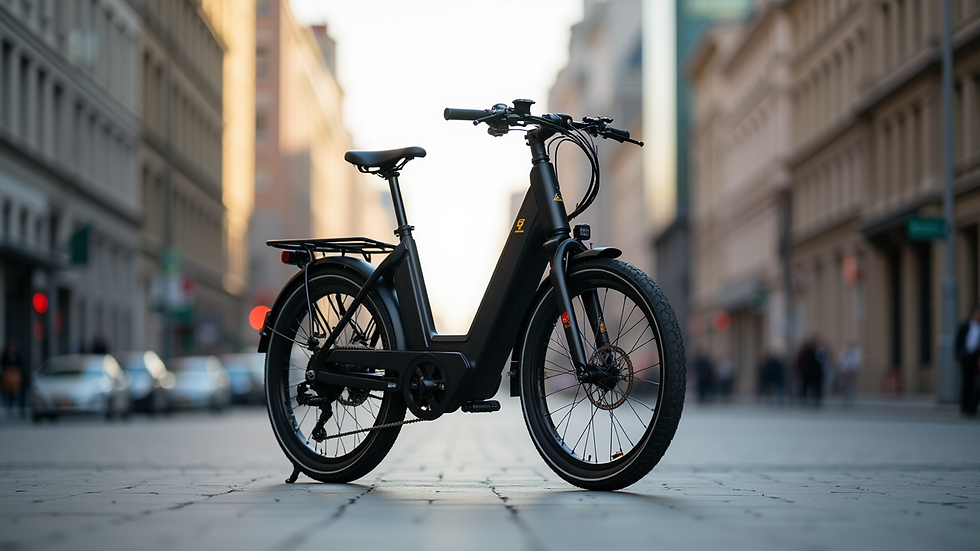
The Rise of E-Bikes
E-bikes, or electric bicycles, have surged in popularity over the past decade. According to the Bicycle Product Suppliers Association, e-bike sales in the U.S. alone reached over 600,000 units in 2020, a significant increase from previous years. This growth can be attributed to several factors:
Environmental Concerns: As cities grapple with climate change, e-bikes offer a cleaner alternative to gas-powered vehicles. They produce zero emissions and can significantly reduce an individual's carbon footprint.
Health Benefits: Riding an e-bike promotes physical activity. Unlike traditional bicycles, e-bikes allow riders to adjust the level of assistance, making it easier for people of all fitness levels to enjoy cycling.
Cost-Effectiveness: E-bikes are generally cheaper to operate than cars. With lower maintenance costs and no fuel expenses, they present an attractive option for budget-conscious commuters.
E-Bikes vs. Traditional Bikes
While traditional bicycles have long been a staple of urban transportation, e-bikes offer distinct advantages:
Assistance on Demand: E-bikes come equipped with electric motors that provide assistance when pedaling. This feature is particularly beneficial for tackling hills or long distances, making cycling accessible to a broader audience.
Speed and Efficiency: E-bikes can reach speeds of up to 28 mph (45 km/h) in some models, allowing riders to cover more ground in less time compared to traditional bikes.
Cargo Capacity: Many e-bikes are designed with cargo racks or built-in storage, making them practical for errands or commuting with groceries.
Urban Infrastructure and E-Bikes
For e-bikes to thrive, urban infrastructure must adapt. Cities are beginning to recognize the importance of creating bike-friendly environments. Here are some key developments:
Dedicated Bike Lanes: More cities are investing in dedicated bike lanes, ensuring that cyclists can travel safely and efficiently without the risk of collisions with motor vehicles.
Bike-Sharing Programs: Many urban areas have introduced e-bike sharing programs, allowing residents and visitors to rent e-bikes for short trips. This initiative not only promotes cycling but also reduces the need for personal vehicle ownership.
Charging Stations: As e-bikes become more prevalent, the demand for charging stations will increase. Cities are beginning to install charging points in strategic locations, making it easier for riders to recharge their batteries.
The Economic Impact of E-Bikes
E-bikes are not just beneficial for individuals; they also have a positive impact on local economies. Here’s how:
Job Creation: The e-bike industry is rapidly expanding, leading to job creation in manufacturing, retail, and maintenance sectors. This growth can stimulate local economies and provide new employment opportunities.
Reduced Traffic Congestion: By encouraging more people to choose e-bikes over cars, cities can alleviate traffic congestion. This reduction can lead to lower infrastructure costs and improved public transport efficiency.
Tourism Boost: E-bikes are becoming popular among tourists seeking unique ways to explore cities. This trend can lead to increased revenue for local businesses, such as cafes, shops, and attractions.
E-Bikes and Sustainability
Sustainability is at the heart of the e-bike movement. Here are some ways e-bikes contribute to a greener future:
Lower Carbon Emissions: E-bikes produce significantly fewer emissions compared to cars. A study by the European Cyclists' Federation found that replacing car trips with e-bike rides could reduce carbon emissions by up to 50%.
Reduced Urban Sprawl: E-bikes encourage compact living by making it easier to travel short distances. This shift can lead to more walkable communities and reduced reliance on cars.
Sustainable Manufacturing: Many e-bike manufacturers are adopting sustainable practices, such as using recycled materials and minimizing waste during production.
Challenges Facing E-Bikes
Despite their many advantages, e-bikes face several challenges that must be addressed for widespread adoption:
Regulatory Hurdles: Different regions have varying regulations regarding e-bike usage, including speed limits and where they can be ridden. A unified approach could simplify the experience for riders.
Safety Concerns: As e-bike usage increases, so do concerns about safety. Cities must prioritize infrastructure improvements and public awareness campaigns to ensure safe riding conditions.
Cost Barriers: While e-bikes can save money in the long run, the initial investment can be a barrier for some consumers. Subsidies or incentives could help make e-bikes more accessible.
The Future of E-Bikes in Urban Transportation
Looking ahead, the future of e-bikes in urban transportation appears promising. Here are some trends to watch:
Technological Advancements: As technology continues to evolve, we can expect improvements in battery life, motor efficiency, and smart features that enhance the riding experience.
Integration with Public Transport: E-bikes are likely to become more integrated with public transportation systems, allowing commuters to combine cycling with buses or trains for a seamless travel experience.
Community Initiatives: Grassroots movements advocating for cycling and e-bikes are gaining traction. These initiatives can drive policy changes and promote cycling culture within communities.
Conclusion
E-bikes represent a significant shift in urban transportation, offering a sustainable, efficient, and enjoyable alternative to traditional vehicles. As cities adapt to accommodate this growing trend, the benefits will extend beyond individual riders to entire communities. By embracing e-bikes, we can pave the way for a cleaner, healthier, and more connected urban future.
The time to consider e-bikes as a viable transportation option is now. Whether you’re a commuter, a casual rider, or someone looking to reduce your carbon footprint, e-bikes offer a practical solution that aligns with the needs of modern urban living. So, why not take the plunge and join the e-bike revolution?
Comments